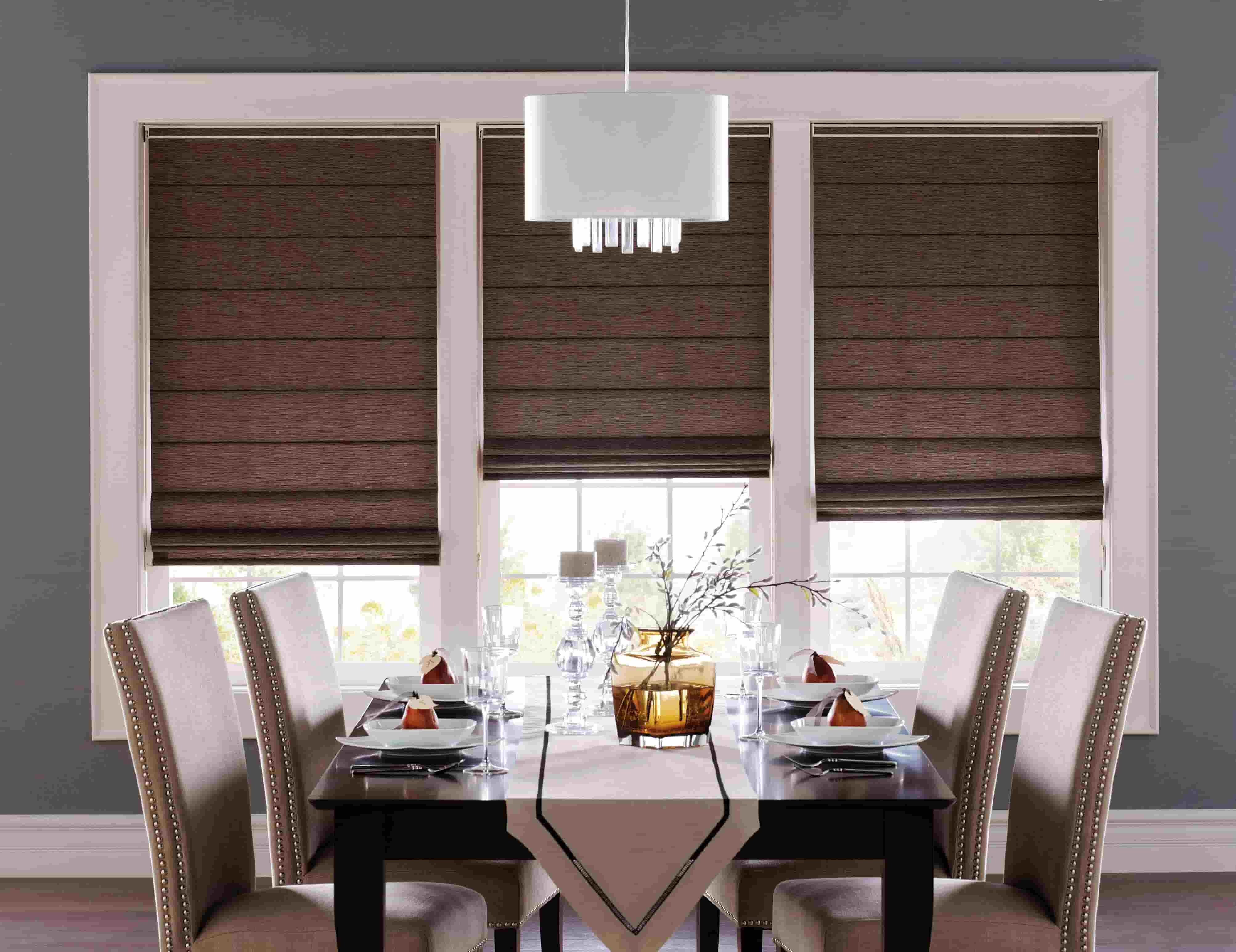
Buying Blinds in Australia: What to Consider
Wiki Article
The Secret Layer: Blinds Could Cut Your Power Bills In Half
In our quest for Australian home comfort It's easy to become caught up in the big-ticket purchases like the reverse cycle air conditioner ceiling insulation, or high-performance appliances. The fact is that it's not often thought of, but your window blinds can be a very powerful player when it comes to energy efficiency. In our climate of scorching summers and often chilly winters, windows are the single largest source of warmth gain and catastrophic loss of heat. It's not all about fashion and privacy if you choose to treat them with appropriate window furniture. It also improves the efficiency of your home's energy use, which can have a direct impact on your budget. The secret isn't in the fabric you see but rather in the under-the-hood design that was created to catch reflection, absorb, and create a barrier to heat.
In order to comprehend the opportunity and the challenge, it is important to understand first what the problem is and the science behind it. Glass is an extremely insulator. In summer, it functions as a magnifying lens, that lets solar radiation in short waves into your house. The heat is absorbed by your floors and furniture before being radiated back in longwaves. In winter the heat escapes by the glass. Standard, single-layer blinds--a simple piece of fabric or vinyl--offer just a tiny barrier. Although they can help reduce heat convection and glare but they are not particularly effective. It's the ones that utilize reflective technology and trapped air which make the difference.
This is the time when two distinct blind designs come into the spotlight as unnoticed household heroes: thermal-backed roller blinds and honeycomb (or cellular) blinds.
Thermal-Backed Roller Blinds: The Reflective Shield.
They are similar to the foil bags you employ to protect your windows. A typical blockout roller blind becomes an efficient thermal unit by adding an extremely thin, and often metallic, layer bonded to the fabric's back. This layer is essential. The reflective coating faces outward during summer when the blinds are lowered. It acts like mirrors, scattering large amounts of sunlight's heat away from the window before it can even get through the glass. This is an active defense. In winter, the same concept will work in reverse. While the blind is down the reflective material faces the room. The heat that is radiated out will be reflected back in through the reflective fabric. It's an easy, elegant and highly efficient technology that transforms a basic blind into a temperature control device. Find products that indicate their "Total Solar Energy Rejected", TSER percentage. High-quality thermal-backed shades will be able to block up to 70% of the sun's heat.
Honeycomb Cellular Blinds The Blinds are Insulating Trap.
Honeycomb blinds, on the other hand, are insulated by their innovative design. The hexagonal cells resembling beehives aren't just a beautiful aesthetic feature but are also mini-insulators. Vertical columns of fabric trap and enclose pockets of air as the blinds are pulled down. The static air that is in the air is among the most effective insulators in nature. It's what's behind double-glazed Windows and cavity wall Insulation. The air pockets that are trapped create a powerful buffer zone between the window glass and your living space. Air pockets drastically reduce heat transfer in both directions. In a heatwave, the hot glass is slower to heat the air within the cells. This hinders the heating of your room. Glass that is ice cold will keep the warmth of your home from being slowed down in the winter months when it is cold and snowy. Double-cell designs are even more efficient, as they are made up of two cells to create a stronger and more efficient air barrier. Honeycomb blinds have a dual-season performance. They can keep heat out or in.
It is essential to use the seal in a strategic manner to maximize this capacity for energy savings. Sealing is essential. The gaps in the seal can affect efficiency. This is why professional measurement and installation is a must. A blind perfectly mounted in a recess inside the window (inside mount) will provide superior seal across all four sides as opposed to one that is hung directly over the frame. To guide the blind in face-fitting side channels can be added. This eliminates air and light gaps. Additionally, the way to operate is crucial. The summer sun must be blocked by fully closing the blinds at times of peak heating. As soon as the sun has set and the sun has set, you can shut your blinds to create warmth during winter.
When consulting with suppliers, shift the conversation from just colour and cost-per-square-metre. By asking questions about technology, you can reveal real performance.
Financial logic is persuasive. Even though the cost of high-quality thermal or honeycomb models is higher initially than the basic models used for the majority of blinds, it should be viewed as a long-term investment, and not a loss. The heating and cooling system's load can be cut substantially, which will reduce the cost of running it. In the long run, when blinds last (which could be 10-years or more) the savings on energy bills will be enough to pay for them. It is not just blinds for your windows; you're purchasing a smaller monthly power bill.
The choice of energy-efficient window blinds is an essential step in creating a sustainable and resilient Australian home. It's all about smart design that is able to adapt to our harsh climate, rather than fighting it off with brute air conditioning. This will result in a more steady temperature as well as a more comfortable environment. In an era of rising prices for energy and increasing awareness of the environment, that layer of insulation that is hidden in your blinds represents a powerful way to improve the efficiency of your home. The simple upgrade pays for itself in terms of comfort and savings every season. View the recommended blinds for more recommendations including door blinds, the blinds store, window covering store, time blinds, blinds direct, blinds direct, blinds au, austral blinds, a window shade, city blind and more.
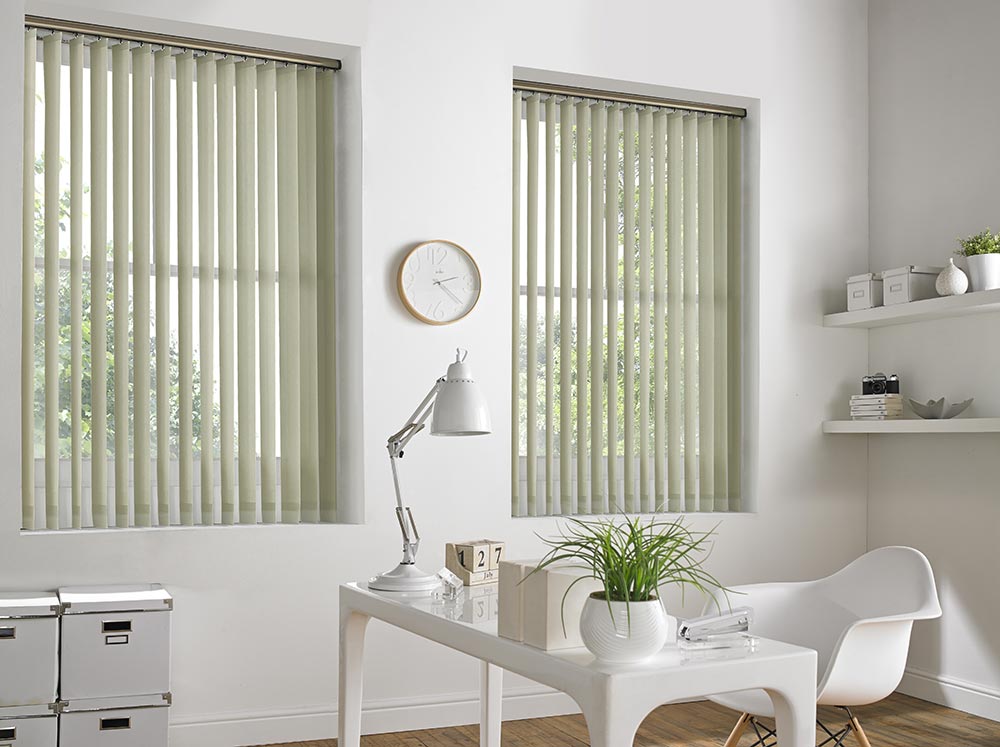
The Silent Shift - How Motorised Blinds Are Quietly Revolutionizing Australian Homes
The humble Australian blind is always a hand-operated device. A tug on a cord or twist of a wand--simple, physical acts marking the daily rhythms of a home. A peaceful revolution is occurring and it is not due to a change in material or design, but more so in the way it functions. Once considered a luxury of the future, motorisation is now required for Australian homes. This change transforms blinds from static window cover to an intelligent, integrated system. It provides unparalleled comfort and security while maximizing the energy efficiency potential and the modern lifestyle. This isn't about just getting rid of the cord. It's about thinking differently about what a window blind can do.
Let's start with the most immediate appeal of pure, simple convenience. Take into consideration the Australian architectural style including the windows that are banked or the towering glass door, or the skylight that's difficult to reach. Operating multiple covers manually across a large or tall space can be difficult. With motorisation, a single command--a button on a remote, a tap on a smartphone, or a voice instruction--orchestrates the entire scene. You can lower all the blinds in your living area to block out the afternoon sun, without having to leave your chair. From your bed you can easily open the bedroom blinds to greet the dawn. This is especially beneficial for rooms that have multiple or huge windows. The task of opening the blinds becomes seamless and effortless. Moreover, the mechanics are superior. A high-quality motor provides smooth, quiet, and consistent operation. It can eliminate jerks or slips that are typical of manual systems.
This leads directly to a second, and most significantly Australian benefit, which is improved efficiency of energy and climate control. Temperature control is the biggest household energy cost. Motorisation enables controlled, precise operation that manual control can't match. Your blinds can be active part of the microclimate management of your home by integrating with a smart system or a simple timer. They can be scheduled to automatically lower at 11 am to stop the intense summer sun, delaying the build-up of heat before it occurs before it gets too hot, and then rise when it gets dark. They can be opened during winter on sunny mornings in order to make the most of passive solar energy, and shut at night to create an insulation layer. This method of proactive management reduces the demand on air conditioners or heaters. This also leads to lower energy bills. Automating for comfort and saving energy.
The argument for motorisation's safety is compelling and has two sides. It is the most effective solution to ensure the safety of children. It cuts off cords and chains completely, removing the strangulation risk at its origin. It is line with Australian safety standards and exceeds the standards. This gives parents and grandparents absolute peace of mind. It increases home security. A random pattern of blind movements is a popular deterrent for would-be intruders who look for signs of an empty home. The smart blinds simulate occupancy by lowering and raising at varying intervals when you're not there. This is not possible with traditional blinds, or timers. This layers security directly into your daily routine.
Integration and smart ecosystems will allow the potential of motorisation. Modern motorised blinds do not exist in isolation; they are built to be interconnected. They can be integrated with platforms like Google Home, Amazon Alexa or Apple HomeKit to allow voice control ("Hey Google open the blinds in the living room"). In a more significant way, they can be utilized to create scenes for an overall intelligent home automation. Imagine a scene called "Good Morning" that is activated by an alarm, gradually raises the blinds in your bedroom and then turns on your lights. It could also turn on the coffee maker. The "Away Scene" will lock all doors and blinds while arming the alarms. Or incorporate sensors. Blinds could automatically lower in the event that a room's sensor detects a certain temperature or be closed at sunset in accordance with the geolocation of your home. The control has become an intelligent, flexible environment that adapts to your preferences.
For Australians who are considering this option, the pathway is more easily accessible than ever before. Retrofit solutions can now motorise existing shades that have headrails that are compatible, and without the need to completely replace the blind. Battery-powered or hardwired motors are the ideal choice for new installation. Batteries offer a wide range of versatility and simple installation with lithium batteries that last at least two years on one charge in standard use. Hardwired solutions are permanent and require no maintenance. They are ideal for large renovations or new construction where wiring is planned. The decision is based on the availability of your home's wiring and whether you'd rather maintain ongoing battery management over upfront electrical works.
The best system is determined by the degree of consultation. Asking "Can it motorised?" is no longer sufficient when talking to suppliers. to asking "How does it integrate?" You can also inquire about the smart home protocols (WiFi, Zigbee or Z-Wave). Ask about their recommended control system and its reliability. Ask about the warranty for motors as well as electronic components. A reliable service provider will be able to explain fail-safes (such as manual override solutions in case of power outage) and ensure the system's calibration to match your blind's weight and size.
A motorized house in Australia is a wise investment. It will be more flexible, efficient and secure. The sleek and sophisticated solutions that it provides solve the most pressing issues of our climate and lifestyle. It turns a household item that was passive into an active tool to control light, heat and privacy. The initial cost could be higher than that of manual systems. However, the long-term benefits, such as energy savings, the protection of furniture, and convenience for everyday use are worth the investment. It is a conscious choice toward a home that does more than just shelter you, but also actively works in harmony with your daily routine as a quiet partner which helps you achieve the ideal temperature, light and atmosphere.